Архив за етикет: genocide

Резолюция за Армения: Ердоган заплашва Берлин

Frankfurter Allgemeine Zeitung,31.05.2016.

Турският президент Ердоган предупреди във връзка с планираното от германския  Бундестаг осъждане на геноцида над арменците. В телефонен разговор с канцлера Меркел той  апелира за „здрав разум“ от страна на Германия.

© dpa  Германският канцлер Ангела Меркел и турския президент Реджеп Ердоган в Инстанбул

Турският президент Реджеп Т.  Ердоган е предупредил за възможно влошаване на двустранните отношения по повод на планирана от  Бундестага  Резолюция за Армения. Ако Германия  „се набърка  в този казус, това ще нанесе щети на бъдещите ни отношения – дипломатически, икономически, политически, търговски и военни отношения между двете страни“ , заяви  Ердоган във вторник пред журналисти в Измир. Всичко това трябва да се има предвид.

Той провел телефонен разговор с бундесканцлера Ангела Меркел /ХДС/, като е изразил  „загриженост“  за изразните средства, използвани в Резолюцията, както подчерта по- нататък. Отношенията между двете страни понастоящем били „на най висока степен“. След гласуването в четвъртък обаче, Турция ще обмисли възможни реакции. Според международното право, резолюциите не са обвързващи, добави той между другото.


Още по темата

Турските медии не закъсняха да осведомят веднага след това, че Ердоган е апелирал в телефонното си обаждане до Меркел за „здрав разум“ на Германия. „Ние очакваме от Германия да прояви здрав разум по отношение на резолюцията“ –   цитира президента частната телевизия  NTV..

Бундестагът ще гласува в  четвъртък Резолюция, внесена от Християн демократическия съюз  , Социалдемократическата партия, и Зелените за масовото изтребление на арменците в Османската империя преди сто години. Изтребленията са довели до гибелта на 1,5  милиона арменци, както и други християнски малцинства и много наподобяват геноцид.

Превод от немски: Студия Трансмедия

На челната снимка: Плячкосването на Рим от варварите, масло.
Karadzic Verdict a Victory for History

When about 8,000 Bosnian Muslim men and boys were rounded up in Srebrenica in 1995, one man had the power to spare their lives. He didn’t. Instead, he unleashed what the United Nations called the worst crime on European soil since the Holocaust.

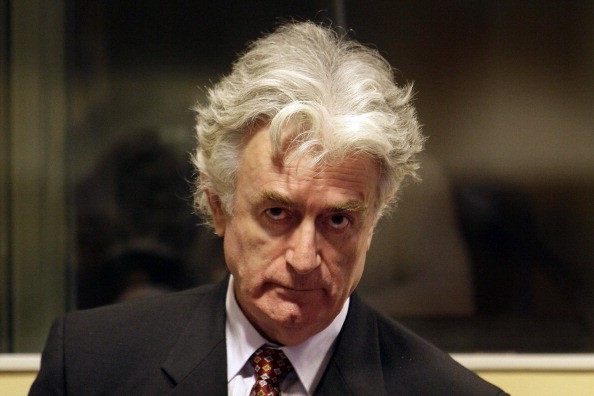
That man, Radovan Karadzic, has now been convicted of genocide and nine counts of war crimes by the International Criminal Tribunal for the Former Yugoslavia in The Hague. With his mop of gray hair and neat suit, the 70-year-old Karadzic may not have the bearing of a mass killer. But testimony that lasted nearly 500 days left no doubt about his culpability for engineering the plan to wipe out the entire male Muslim population of Srebrenica.

The verdict provides a kind of justice for the victims of Karadzic’s campaigns and their families. As chief prosecutor Serge Brammertz noted, „Moments like this should also remind us that in innumerable conflicts around the world today, millions of victims are now waiting for their own justice. This judgment shows that it is possible to deliver it.“

It’s a hopeful thought; to this point, too few war criminals have been brought to justice. And yet it’s impossible not to feel that it all comes a little late. The size and scope of Karadzic’s actions render them immune to punishment. There’s no question that throwing an old man in prison lacks a certain moral force.

Which leads to the deeper service of the verdict: It establishes an authoritative historical record.

All too often, in the absence of such a record, false narratives are created and disseminated. From South Africa’s Truth and Reconciliation Commission to the Khmer Rouge tribunal in Cambodia, justice has not been the only – or even the principle – purpose of the exercise. An ironclad narrative was the aim.

In the Balkans, where nationalist mythologies are still easily stirred, history and fiction have too often been intermingled. In the course of Karadzic’s trial, the recorded testimony of nearly 600 witnesses was carefully documented, leaving future generations with a map for dispelling mythologies. It is the indelibility of this record – and the model it leaves for other wounded communities hoping to set their records straight and heal – that merits acknowledgment, as much as a life sentence for a criminal in an already distant war.

To contact the senior editor responsible for Bloomberg View’s editorials: David Shipley at davidshipley@bloomberg.net.

Note of Ed. of Philosophyclub.bg

Ethnic cleansing was at the heart of the Bosnian war right from the earliest days:

Ethnic-Cleansing
  • The UN Commission of Experts in an interim report in January 1993 to the Security Council, defined ethnic cleansing as “rendering an area ethnically homogenous by using force or intimidation to remove persons of given groups from the area.”
  • Despite such early knowledge on the part of the UN as to Bosnian Serb aspirations for the land that was to become Republika Srpska, thousands upon thousands of Bosnian Muslims lost their lives and their homes because of ethnic cleansing, with Srebrenica representing the largest death toll.
Резултат с изображение за bosnia ethnic cleansing

“The Balkans produce more history than they can consume.” – Winston Churchill

“Sarajevans will not be counting the dead. They will be counting the living.” – Radovan Karadzic, Bosnian Serb leader, war criminal, fugitive